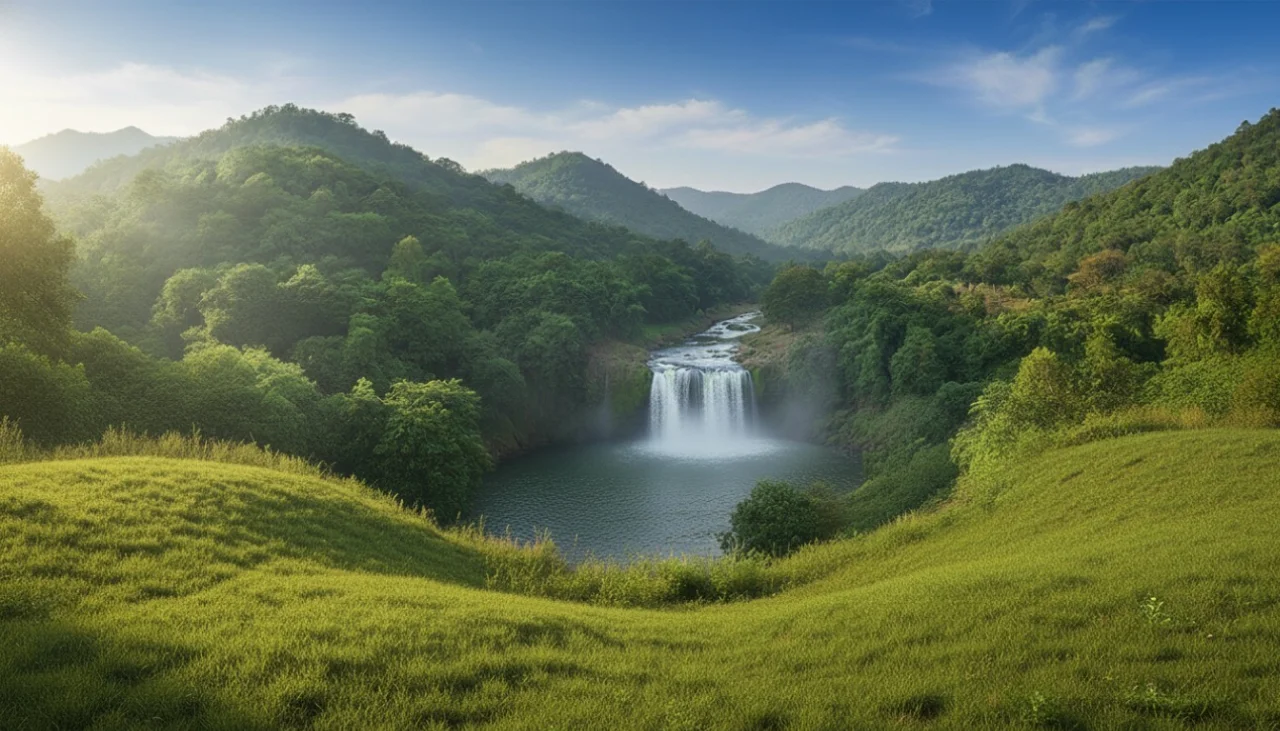
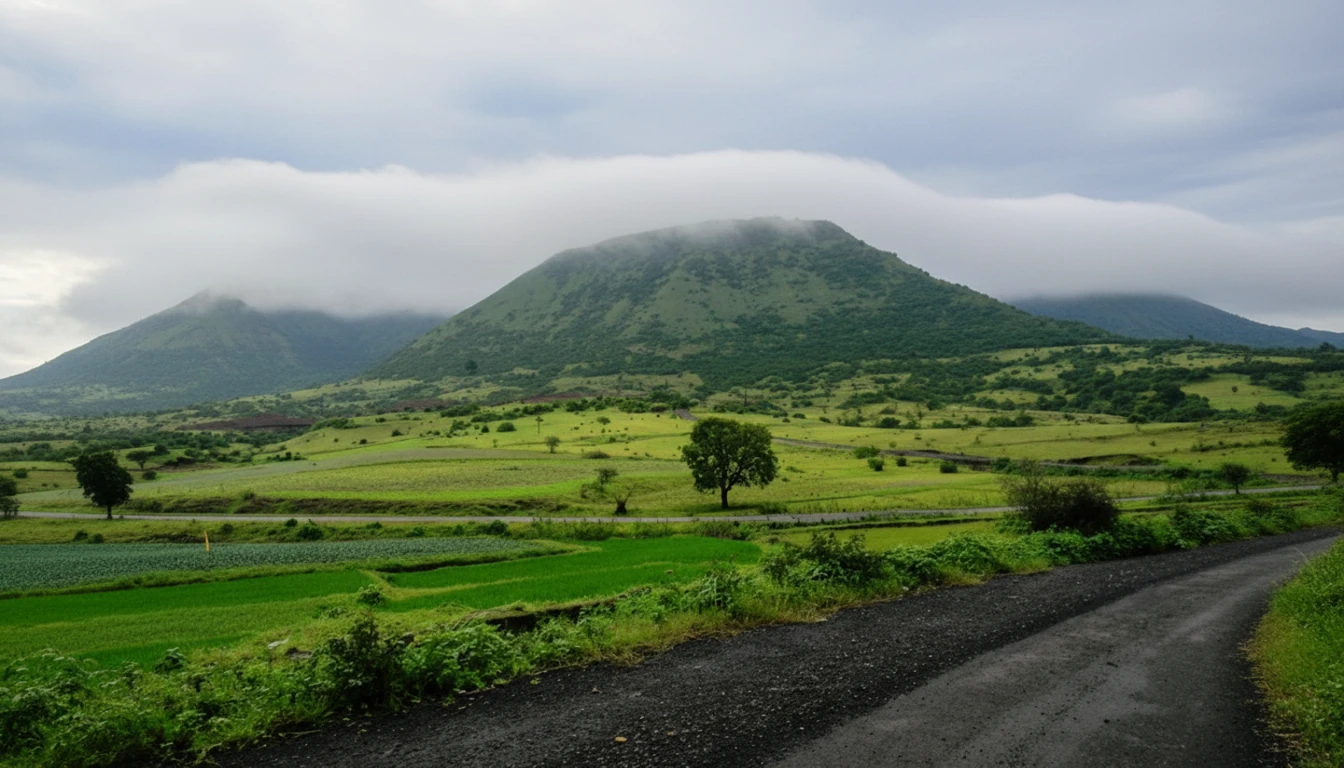
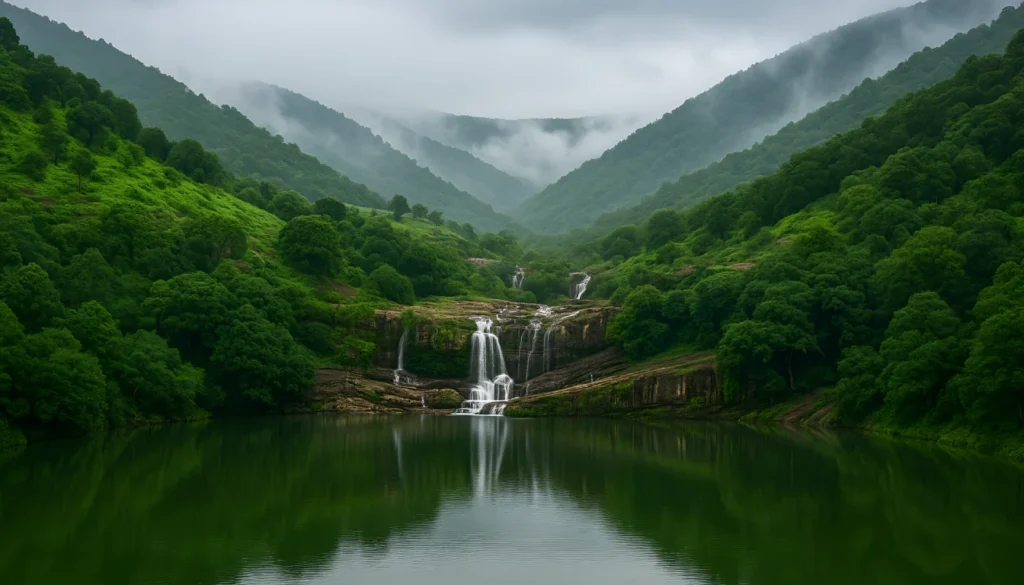
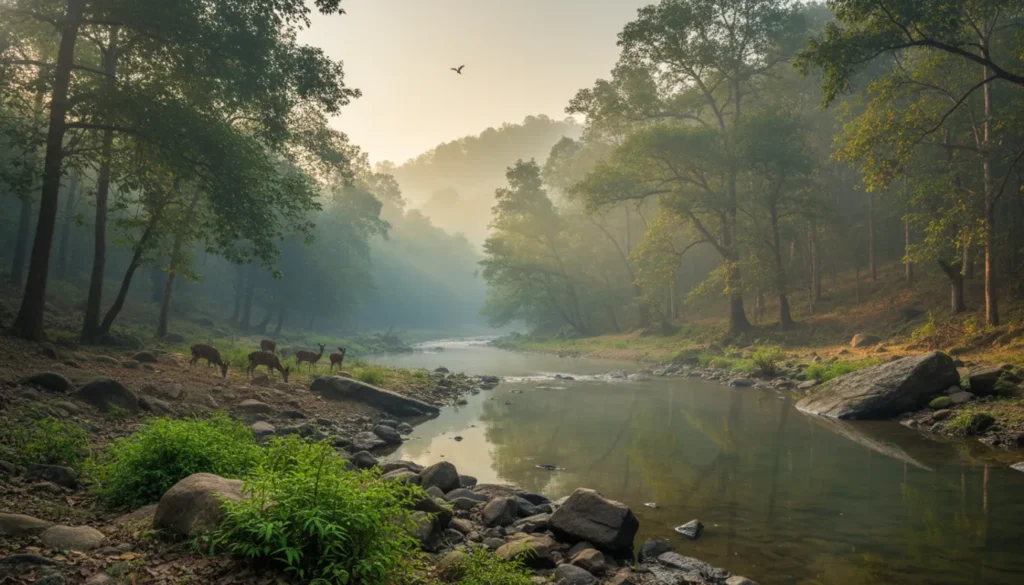
Dang Darshan highlights the natural charm and cultural depth of Gujarat’s only hill district, the Dang region. Surrounded by the Sahyadri range of the Western Ghats, it’s a place where untouched forests, flowing waterfalls, and quiet landscapes come together to create a peaceful connection with nature.
Gujarat’s only hill station offering breathtaking views, boating, gardens, and pleasant weather throughout the year.
A spectacular waterfall that comes alive during monsoon, surrounded by dense forests and ideal for nature lovers.
Home to diverse flora and fauna, this sanctuary offers trekking trails and opportunities to spot rare species.
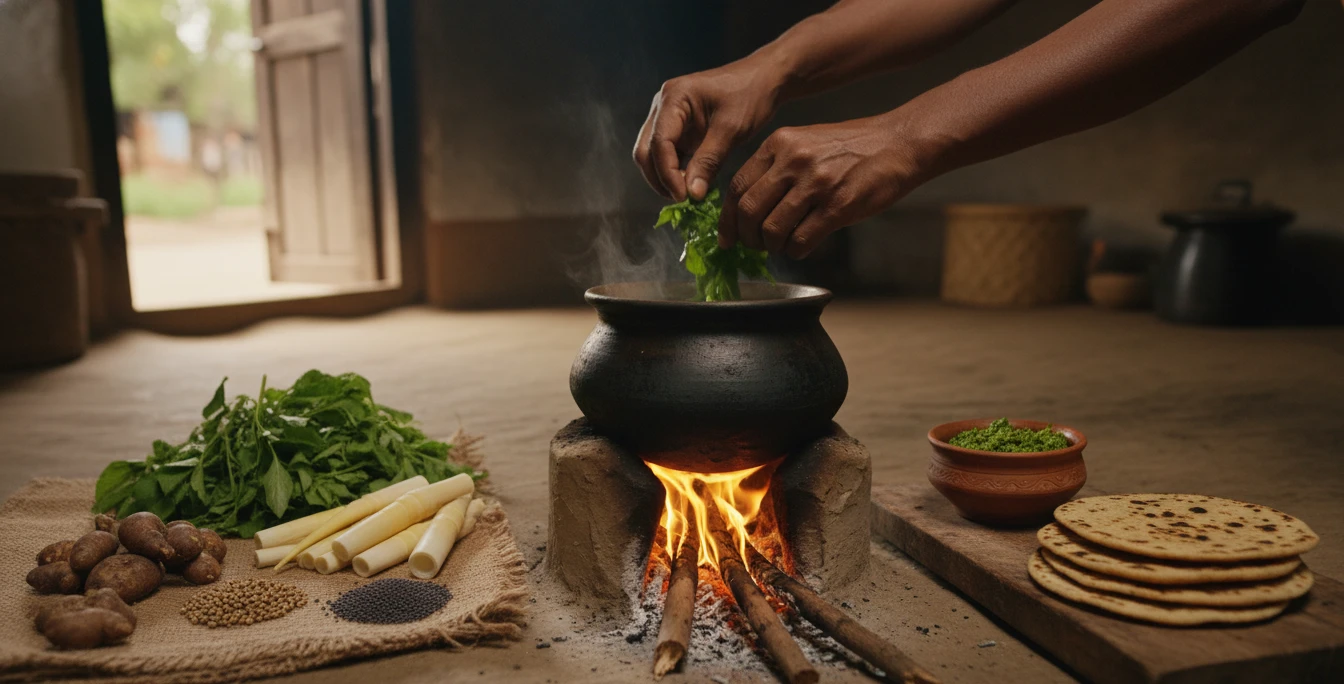
In Dang, food is more than nourishment—it’s a reflection of the land and the people who care for it. Meals are prepared the traditional way, over wood-fired stoves, using fresh produce gathered from nearby forests and farms. Each aroma that rises from the pot carries the essence of nature, simplicity, and heartfelt tradition.
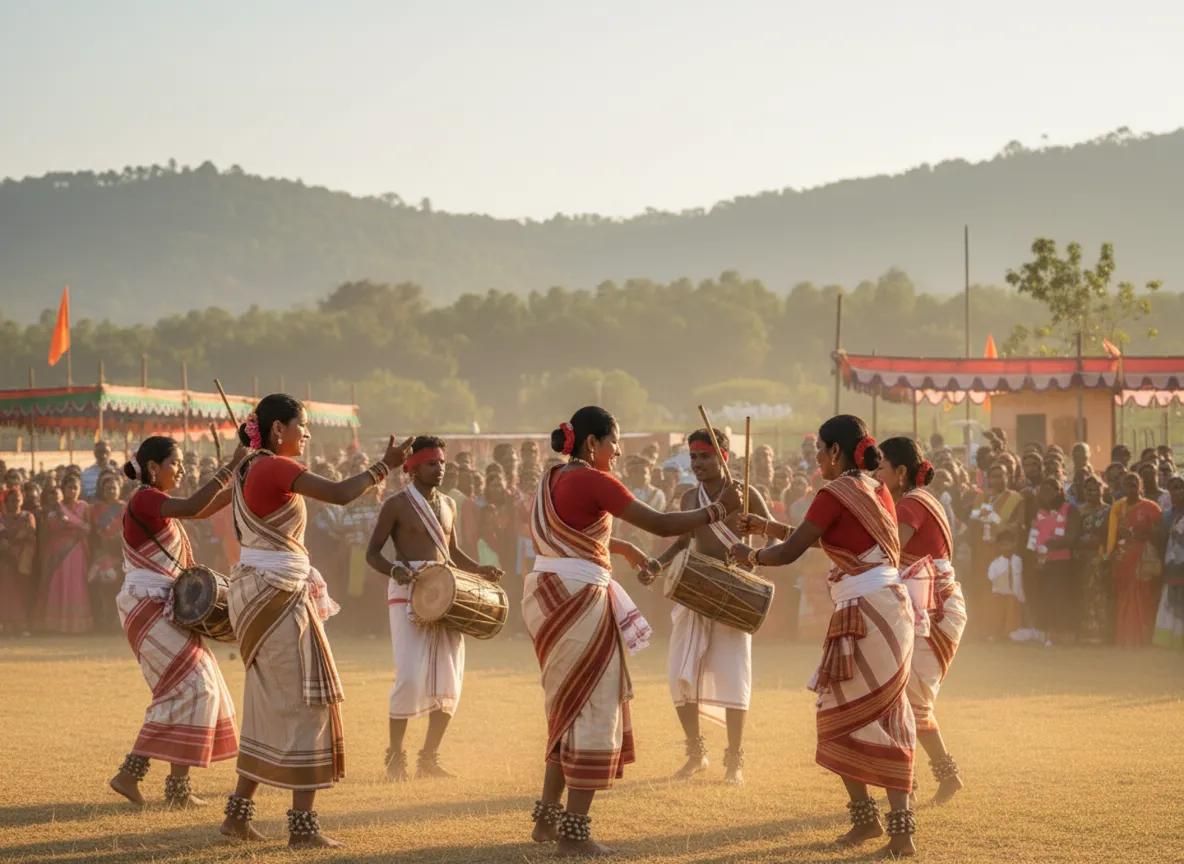
Experience the vibrant Dang Darbar festival in Ahwa every March, a cultural convergence of tribal kings and communities celebrating with traditional music, dance, and sheer joy before Holi.
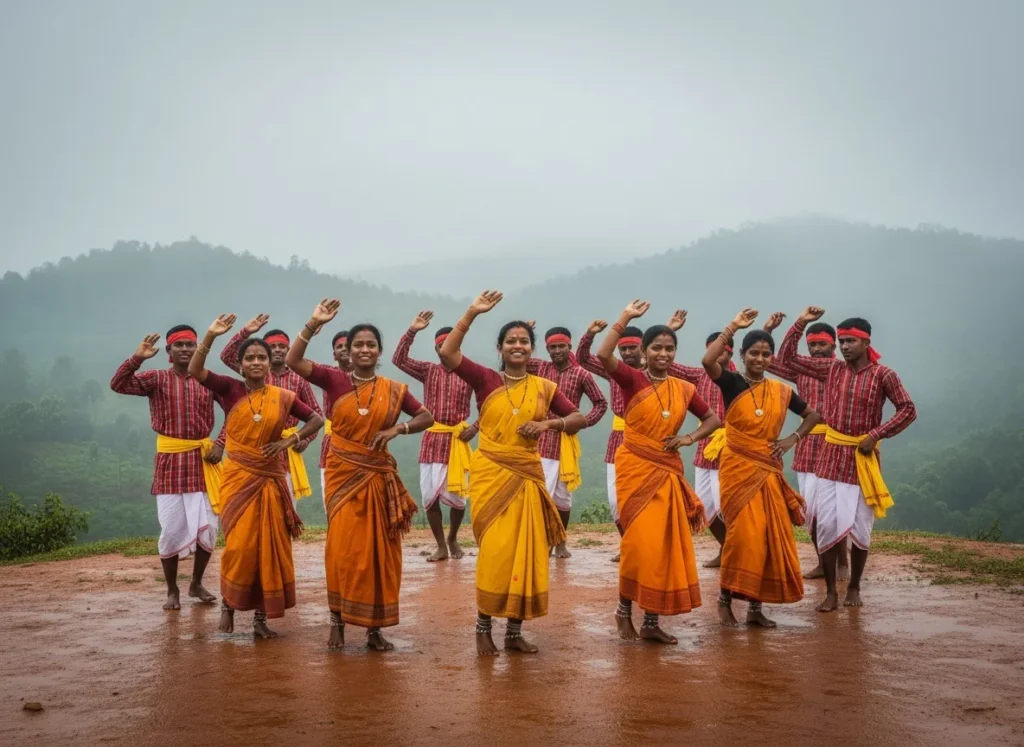
Experience the magic of the Saputara Monsoon Festival (July-August) where over 350 folk artists, rain dances, nature walks, and vibrant tribal fairs transform Gujarat’s only hill station into a lush celebration.
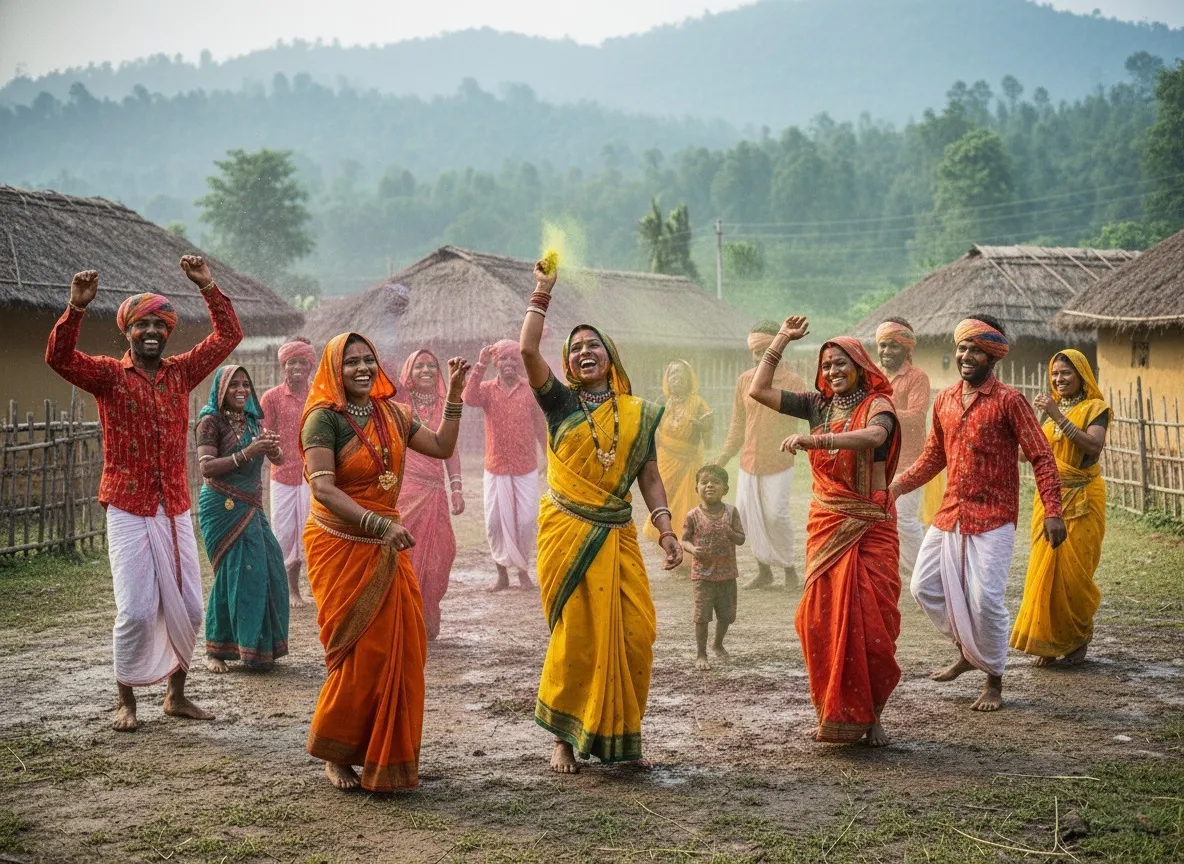
Celebrate Holi at the Dangs, where vibrant colors, traditional tribal dances, and songs offer an immersive look into adivasi culture.

One of the oldest and largest tribes in Dang, the Bhils are known for their deep connection to forests, bow-and-arrow heritage, and vibrant folk dance and song traditions.
Gamits are a sub-tribe of Bhils, settled mostly in Dang and nearby districts; they speak the Gamit dialect, farm their land, and keep alive local crafts and storytelling.
Kunbis in Dang are generally agrarian, working with the land and seasons, and they play a big role in maintaining tribal festivals and traditional arts.
The Warlis are famous for their Warli paintings—using simple geometric shapes to depict daily life, farming, and nature—and their colorful dress, music, and dance.